老(lǎo) 쓰는 법 — 한자 필순
뜻: prefix used before the surname of a person or a numeral indicating the order of birth of the children in a family or to indicate affection or familiarity, old (of people), venerable (person) · 6획 · HSK 1
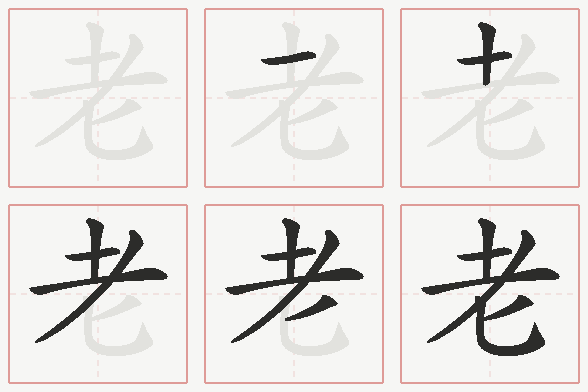
한자 정보
| 한자 | 老 |
|---|---|
| 병음 | lǎo |
| 획수 | 6 |
| HSK 급수 | HSK 1 |
| 유니코드 | U+8001 |
영어 뜻
- prefix used before the surname of a person or a numeral indicating the order of birth of the children in a family or to indicate affection or familiarity
- old (of people)
- venerable (person)
- experienced
- of long standing
- always
老가 들어간 단어
| 단어 | 병음 | 뜻 |
|---|---|---|
| 老师 | lǎo shī | teacher; CL:個|个[ge4],位[wei4] |
| 老人 | lǎo rén | old man or woman; the elderly |
| 老板 | lǎo bǎn | variant of 老闆|老板[lao3 ban3] |
| 老婆 | lǎo pó | (coll.) wife |
| 老百姓 | lǎo bǎi xìng | ordinary people; the "person in the street" |
| 古老 | gǔ lǎo | ancient; old |
| 老太太 | lǎo tài tài | elderly lady (respectful); esteemed mother |
| 老大 | lǎo dà | old age; very |
| 老实 | lǎo shí | honest; sincere |
| 老汉 | lǎo hàn | old man; I (an old man referring to himself) |
| 老鼠 | lǎo shǔ | rat; mouse |
| 老虎 | lǎo hǔ | tiger; CL:隻|只[zhi1] |